

According to the North American Standard Out-of-Service Criteria, heavy-duty drum brakes should have a minimum lining thickness of 6.4mm at the shoe center for both non-steering and steering axles. This limit is 3.2mm for trucks with air disc brakes. If you begin to experience grinding noise or longer stopping distances, there is a good chance your truck’s brakes have worn down. It is crucial for any truck to have properly working brakes.
There are many more warning signs of worn truck brakes. They can be caused by normal wear, running hot on grades, or improper adjustments. Whatever the cause, it is important to know the different warning signs of a brake problem in your truck.
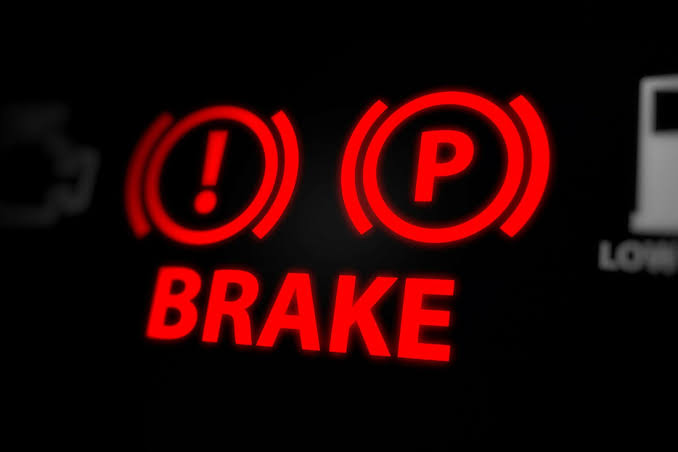
1. Brake Warning Light Turns On
If the red brake warning light illuminates, it is a clear sign your truck’s brakes need inspection and repair. It is common for many truckers to not believe that anything is wrong with their vehicle’s brakes, but ignoring this sign can result in increased safety risks.
2. Braking Vibrations
Braking vibrations are commonly caused by warped rotors. Rotors are silver discs behind the wheel. The brake pads apply pressure on the rotor to slow down your truck. If you experience vibrations when braking, you should get the system thoroughly inspected and repaired.
3. Warped or Cracked Brake Drums
Brake cracks usually start at the cooling fins and move inward. Cracks increase the risk of drum fractures under hard braking.
Some of the common signs of cracked or warped brake drums include:
- Cracking sound
- Braking vibration
- Heat discoloration
Cracks can develop due to factors such as repetitive thermal shock, incorrect drum diameter, and oversized linings.
If you notice a crack during inspection, have the drum replaced immediately. Cracked drums shouldn’t be reground.
4. Squealing Noise
If the brakes make a squealing noise when the brakes are applied, it often means an issue with the brake pads. A screeching sound can indicate malfunctioning brake pads that need replacement. Delaying a replacement can cause damage to the rotors and an expensive repair job.
5. Burning Odor
Truck brakes that overheat and emit a burning odor can also be a sign that you have worn brakes. If this happens, you should immediately stop driving to prevent braking failure. It is recommended to pull over and check the brakes for any signs of smoke. Get in touch with your truck’s repair shop to learn what to do next.
6. Leaking Brake Fluid
Leaking brake fluid can be caused by many underlying factors. This includes:
- Worn Brake Hoses: Leaks can develop in worn or damaged brake hoses. This can cause the brake fluid to leak out.
- Corrosion: Corrosion weakens the braking system’s components, leading to the development of leaks. It is more likely to affect older trucks or trucks that operate in extreme conditions.
- Loose Connections: Leaks can also be caused by loose connections or fittings in the braking system. The underlying causes can include poor installation or wear and tear.
Malfunctioning brake components and failed seals can also cause brake fluid leaks.
Common Heavy-Duty Truck Brake Issue Causes
The most common heavy-duty brake issues in trucks are caused by the following factors:
Brake Fade
Brake fade is a specific problem that affects heavy-duty trucks. The brakes become increasingly ineffective over time, mostly due to the production of excess heat. It usually occurs when a truck handles heavy loads consistently.
Wear & Tear
Since heavy-duty trucks place significant pressure on their braking systems and consistently carry heavy loads, they cause lots of wear and tear. It is recommended to regularly inspect your truck’s brakes for any signs of wear to avoid critical braking failure.
Heavy truck brake pads can quickly wear out due to heavy loads and friction. This can reduce your truck’s stopping power over time and if the problem is not fixed, it can cause further damage to the braking system. So, regular inspection and immediate repair or replacement are the keys to ensure safe heavy truck braking operation.